Your browser does not support JavaScript!
TRAVEL

Arriving in VietNam

OVERVIEW
New policies from 15th August 2023
  • Vietnam grants e-visas for citizens of all countries and territories with 90-day stay duration and valid for multiple entry.
  • Citizens of 13 coutries enjoying unilateral visa exemption can stay in Vietnam up to 45 days.
VIETNAM VISA EXEMPTION

Vietnam's new visa policy effective from 15th August 2023 extends stay duration for 13 countries enjoying unilateral visa exemption from 15 days to 45 days, regardless of passport type and entry purpose. The 13 coutries include: Germany, France, Italy, Spain, the UK, Russia, Japan, Republic of Korea, Denmark, Sweden, Norway, Finland and Belarus.

Below is the full list of 25 countries +Kazakhstan that are exempted from visa requirement:

Brunei, Myanmar, Belarus, Denmark, Finland, France, Germany, Italy, Japan, Norway, Russia, South Korea, Spain, Sweden, The UK, The Philippines, Cambodia, Indonesia, Kyrgyzstan, Laos, Malaysia, Singapore, Thailand, Chile, Panama.

VIETNAM ELECTRONIC VISA (E-VISA)

From 15th August 2023, Vietnam grants e-visas for citizens of all countries and territories with 90-day stay duration and valid for multiple entry.

Here is the list of border gates that allowed foreigners enter and exit Vietnam by E-visa.

13 international airports: Noi Bai (Ha Noi), Tan Son Nhat (Ho Chi Minh City), Cam Ranh (Khanh Hoa), Da Nang, Cat Bi (Hai Phong), Can Tho, Phu Quoc (Kien Giang), Phu Bai (Thua Thien Hue), Van Don (Quang Ninh), Tho Xuan (Thanh Hoa), Dong Hoi (Quang Binh), Phu Cat (Binh Dinh), Lien Khuong (Lam Dong).

16 land border gates: Tay Trang (Dien Bien), Mong Cai (Quang Ninh), Huu Nghi (Lang Son), Lao Cai, Na Meo (Thanh Hoa), Nam Can (Nghe An), Cau Treo (Ha Tinh), Cha Lo (Quang Binh), La Lay and Lao Bao (Quang Tri), Bo Y (Kon Tum), Moc Bai and Xa Mat (Tay Ninh), Tinh Bien and Vinh Xuong (An Giang), Ha Tien (Kien Giang).

13 sea border gates: Hon Gai and Cam Pha (Quang Ninh), Hai Phong, Nghi Son (Thanh Hoa), Vung Ang (Ha Tinh), Chan May (Thua Thien Hue), Da Nang, Nha Trang (Khanh Hoa), Quy Nhon (Binh Dinh), Dung Quat (Quang Ngai), Vung Tau (Ba Ria - Vung Tau), Ho Chi Minh City, Duong Dong (Kien Giang).
Accommodation

Image
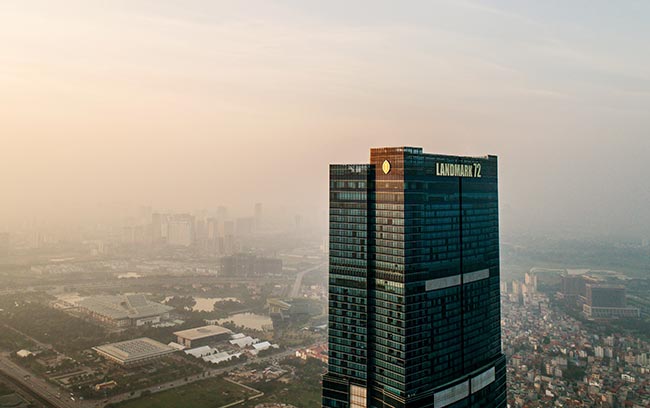
InterContinental Hanoi Landmark72
Keangnam Hanoi Landmark Tower, Plot E6, Cau Giay New Urban Area, Yen Hoa Ward, Hanoi, Vietnam

Distance from conference: 0m

Email: res.hanoilandmark72@ihg.com

Reservations: +84 24 3698 8888

Image
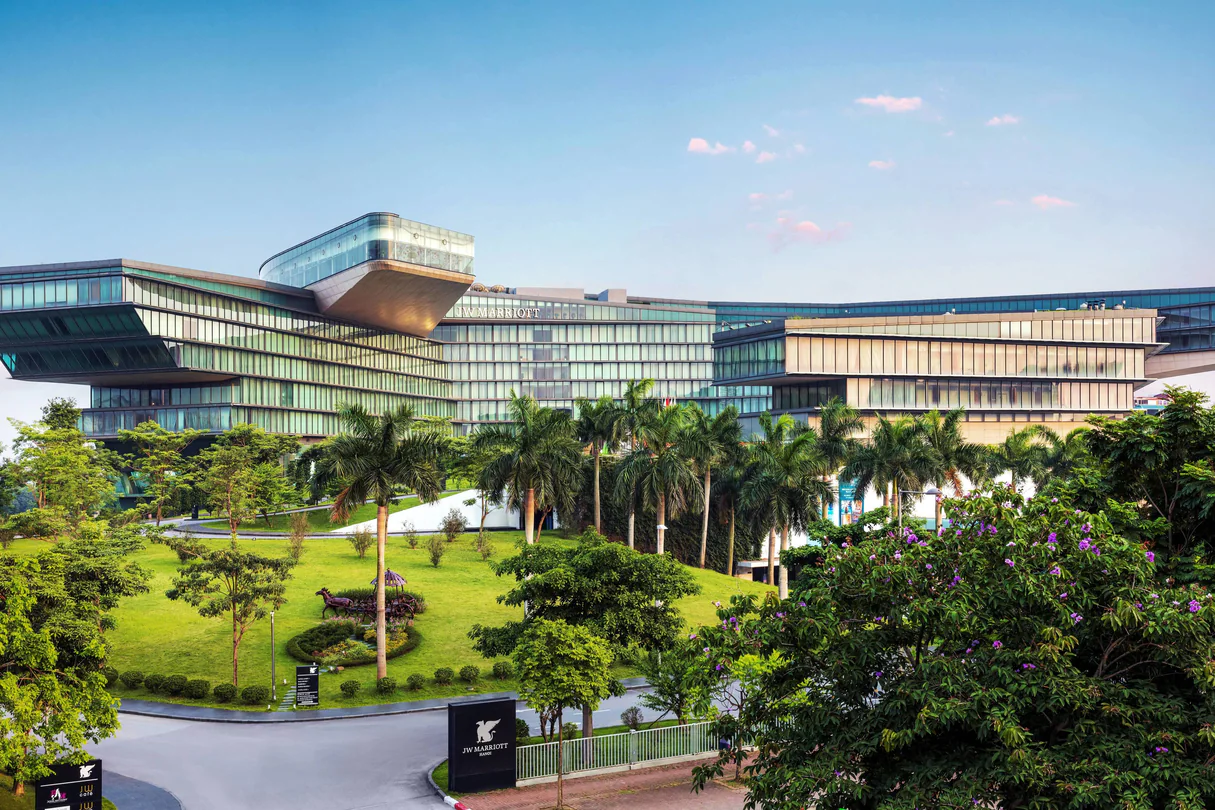
JW Marriott Hanoi
No 8, Do Duc Duc Street, Me Tri Ward, Nam Tu Liem District, Hanoi, Hanoi 100000

Distance from conference: 2.6 km

Email: hanjw.reservation@marriott.com

Mobile: +84 24 3833 5588

Image
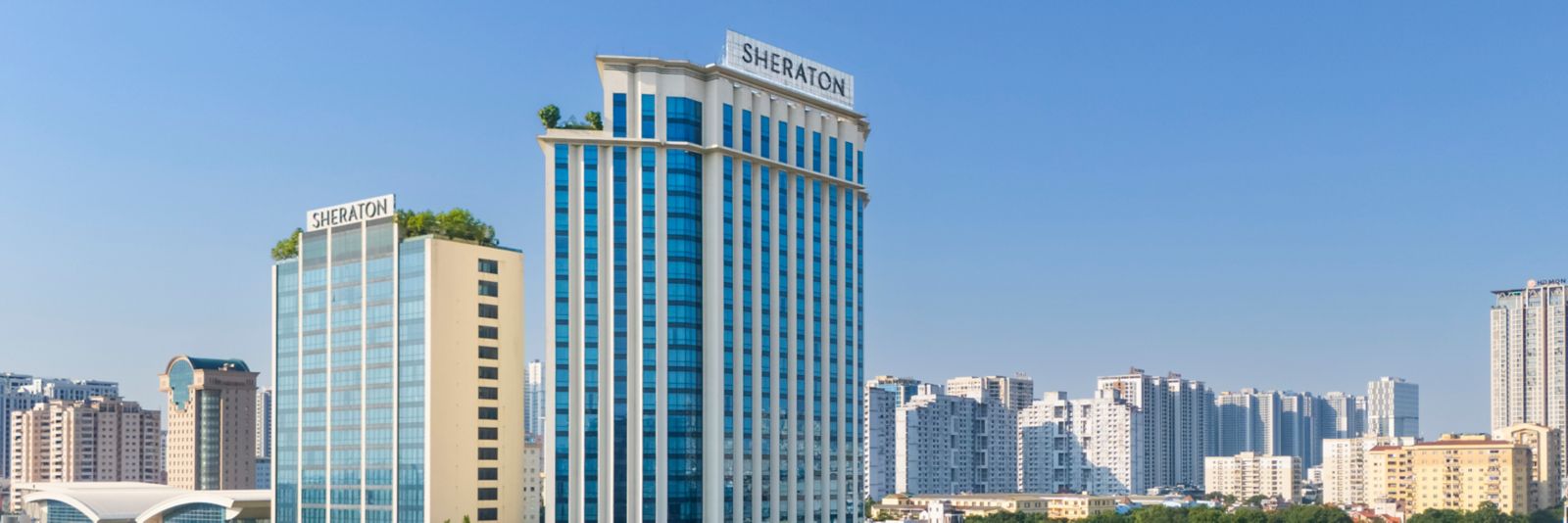
Sheraton Hanoi West
36 Le Duc Tho Street Tu Liem Ward, Hà Nội

Distance from conference: 5 km

Hotline: +84 24-22301234

Image
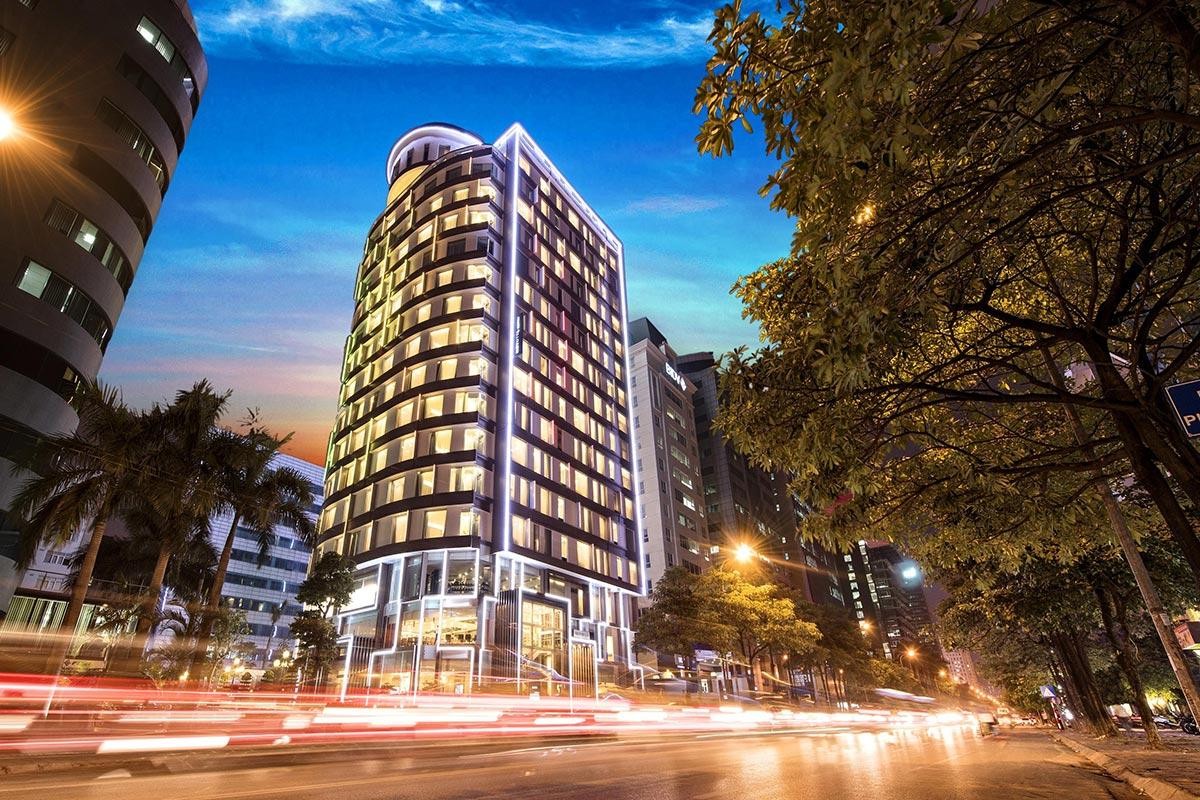
Novotel Suites Hanoi
5 Duy Tan Street, Dich Vong Hau, Cau Giay

Distance from conference: 2.5km

Email: Resa.NSH@accor.com

Image
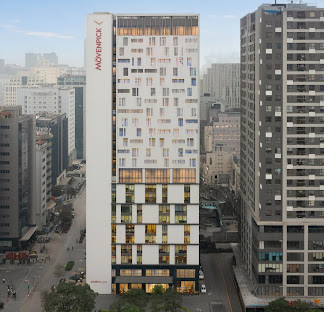
Mövenpick Living West Hanoi
21 Duy Tan Street, Cau Giay Ward

Distance from conference: 2.1 km

Image
Grand K Hotel Suites Hanoi
2 Pham Van Bach Street, Yen Hoa Ward, Ha Noi

Distance from conference: 1.3 km

Hoteline: +84 24 3205 2299

Mail: info@grandkhanoi.com

INFORMATION

Official Language

The official language of the conference is Vietnamese and English.

Vietnam weather
  • The north of Vietnam: The north of Vietnam has 4 seasons, which are Spring, Summer, Autumn, and Winter. The weather in northern provinces like Hanoi is hot and humid with high rainfall from May to October, and gets cooler and drier from November to April.
  • Central Vietnam: The typical climate of central Vietnam is tropical wet climate. This region has dry, hot weather with temperatures of up to mid 30°C from January to August, while September, October, and November often see the highest rainfall.
  • The south of Vietnam: There are only two seasons here: dry and rainy seasons. It is normally dry and hot from November to April, gets wet and warm from May to October. The highest rainfall happens from June to August.
Time

The time zone for Vietnam is Indochina Time, or ICT. It’s UTC/GMT +7 hours.

Electrical Specifications

Voltage: 220 V; Current: 50 Hz

The standard voltage in Vietnam is 220 volts. Primary sockets generally require 2 flat prong plugs, 2 round pin plugs, and many of the new 4 and 5 star hotels use British standard 3-pin plugs. We recommend that you pack a universal travel adaptor. You will need a voltage converter and plug adaptor in order to use U.S. appliances.

Insurance and Liability

The Organizers do not take responsibility for any individual, medical, travel, or personal insurance. Participants are advised to secure their insurance policies before departure from their countries.

While every attempt is made to ensure efficient, trouble-free hospitality, including hotel accommodation, sightseeing, and tours, participants are advised that no liability accrues to the Organizers in the event of any necessary modifications, including change in itineraries for tours due to delays or cancellations of flights / other exigencies beyond the Organizers’ control.

Tipping

Tipping is encouraged when you experience good service, and this would be above the standard 5-10% gratuity to your bill added by some restaurants and hotels

Telephone & post office

You can make international phone calls in Vietnam but the prices are not cheap. Vietnamese SIM cards are an affordable way of calling to other countries.

The postal service in Vietnam is reliable and there are courier services widely available. Do not put postcards into letter boxes, give them to your hotel or post or go to a post office.

Money & cost

The Vietnam’s official currency is the Dong (VND or d). US dollars are widely accepted in tourist attractions or big shopping malls. Visa and master card are accepted in many hotels, restaurants and large stores, particularly in big cities. ATMs are popular throughout the country. You can find a number of international banks in Hanoi and Ho Chi Minh City.

Internet access

Internet and wi-fi is widely available throughout Vietnam. Most hotels, restaurants, cafes offer wi-fi for free. In remote areas, however the connection is quite bad.

Health and safety

Health care in Vietnam varies in quantity and quality. Big cities like Hanoi and Ho Chi Minh have a good health care system while in remote areas are not.

Pharmacies can be found in almost town.

Recommended vaccinations

The only vaccination required by international regulation is yellow fever.

Before you go:

  • Pack any medications in clearly labeled box
  • Bring a letter from your doctor describing your medical conditions and medications
  • If you have a heart condition, bring a copy of a recent ECG
Insurance

Don’t travel without health insurance.

Vietnam is generally a safe country to visit.

Useful Numbers

Emergency contact number: 113 (Police), 114 (Fire), 115 (Ambulance)

Transport

Flights in Vietnam

Travellers can arrive in Vietnam by train or plane. Tan Son Nhat international airport and Noi Bai international airport welcomes foreign and domestic arrivals daily. Domestisc carriers are Vietnam Airlines, Vietjet,…

Bus in Vietnam

Buses go almost everywhere in Vietnam. Bus travel in Vietnam can be either convenient and comfortable (when traveling between major cities) or slow and cramped (when traveling in the backwaters), but it’s rarely expensive

Motorbikes in Vietnam

Vietnam's quintessential mode of transport, motorbikes are the most convenient way to travel short distances. Novice motorists should be careful on Vietnam's streets and observe the local style of driving, which is more ebb and flow than 'follow the rules'. When in Vietnam, never park your motorbike unattended, always wear a helmet, and be sure to check the ticket number if you leave it in a parking lot.

Private Transport

In Vietnam, you are able to book taxi or private transport from ride hailing apps on your phone such as Grab, Gojek, Bee and Xanh SM.

Other wheels

Cyclos are perfect for sightseeing in historic cities such as Hanoi and Hue. Cycling the vietnamese countryside is a must-do experience